This is not a typical field placement.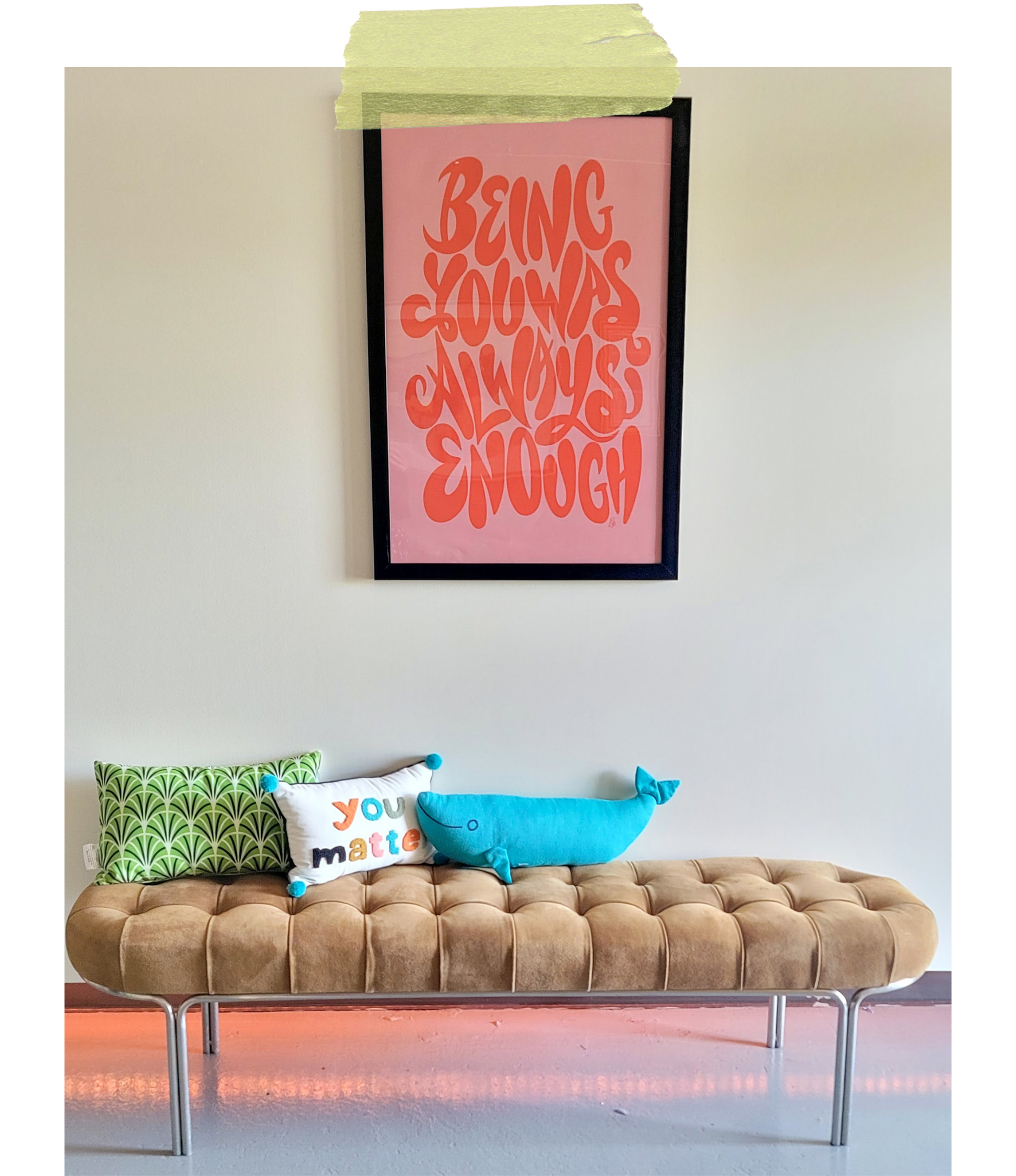
Hearten House is an experiential, embodied, trauma-informed outpatient mental health treatment center. The work here doesn't happen primarily through words. It happens through action, movement, creative expression, group process, and integration - methods grounded in psychodrama, sociometry, and other experiential therapies, held inside a rigorously trauma-informed clinical model.
That means the interns and practicum students who thrive here aren't just looking for client hours. They're curious about a different way of doing this work. They want embodied and experiential methods to be part of who they become as clinicians — not an add-on they might explore someday.
If that describes you, we'd like to hear from you.
Learn more and follow along on Instagram or Facebook:
What partnering with Hearten House for graduate school internship and practicum looks like
You're part of the work — not just watching it.
Even in your first semester, you aren't here to shadow from the sidelines. Interns and practicum students at Hearten House participate as co-therapists alongside licensed clinicians. You'll be in the room, engaged with participants, contributing to the work in a real and meaningful way — under close supervision and with appropriate scaffolding for your level of training. Our participants benefit from your presence, and you'll know it.
Supervision that goes well beyond the required hour.
We prioritize individual and small group supervision, and our collaborative environment means that clinical conversation doesn't stay confined to formal supervision slots. Lunch, transitions between groups, and the natural rhythms of the day often become spaces for case consultation, reflection, and learning together. Past interns have told us — more than once — that the supervision they received here is something they didn't fully appreciate until they were somewhere else. We hear that as a responsibility we take seriously.
Exposure to methods you won't find most places.
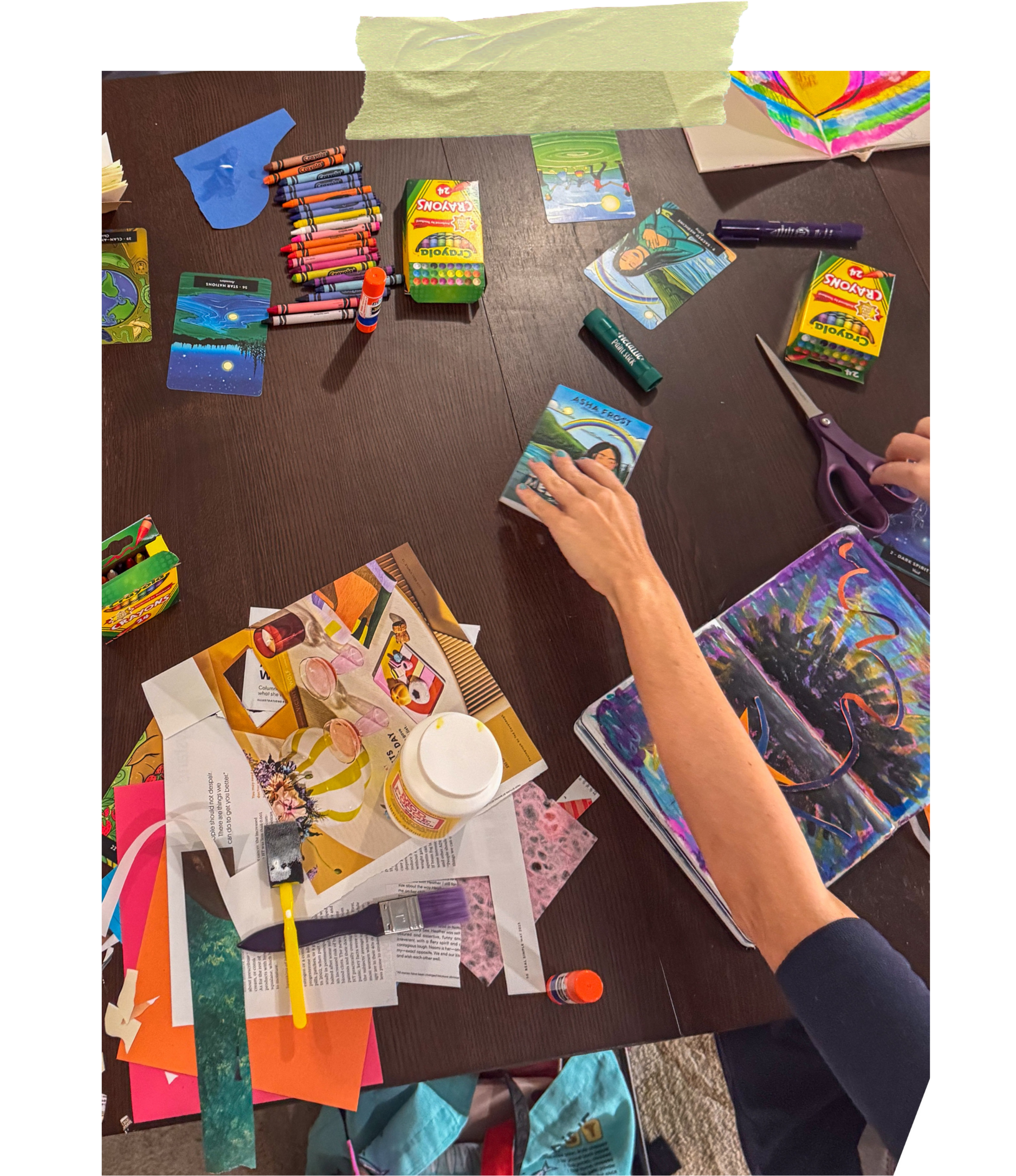
Psychodrama. Sociometry. Group psychotherapy. Action-based, expressive, and creative approaches. These are the methods our clinicians use every day, and they're what you'll be learning inside a live clinical setting — not just reading about in a textbook.
A trauma-informed environment that lives its values.
We apply SAMHSA’s guidance for principles of a trauma-informed approach at every level of our organization — from how we design the physical space to how we structure supervision. The environment you train in will reflect the kind of clinician we hope you'll become.
Real IOP experience.
Hearten House is the only fully experiential-based outpatient mental health treatment center in the region, and one of a small number of IOPs in the Salt Lake Valley with a mental health and trauma primary focus. Interns and practicum students have the opportunity to participate in a structured, multi-phase group treatment model with adults navigating depression, anxiety, trauma, PTSD, relational difficulties, and significant life transitions.
Scheduling flexibility.
We understand that graduate school comes with a lot of competing demands. We work with students to build schedules that meet your program's requirements while accommodating the realities of your life.
Specialized Training included.
Before your placement begins, you'll complete a minimum of 15 hours of foundational training in embodied experiential, action, and expressive therapy methods. For students who have been offered a placement, these trainings are provided at no charge. Upcoming training dates are available upon inquiry.
Please note: Our internship placements are currently full. we are accepting applications for summer semester, 2027.
What matters most to us:
You're actively interested in experiential, embodied, action-based, and expressive approaches — not just open to them, but genuinely drawn to them as part of your clinical identity.

You're interested in more than a straight clinical caseload. Group work, co-therapy, observation, and learning within a treatment community are all part of how training happens here.
You're willing to commit to a minimum of two consecutive semesters. Arrangements can be made for students in programs with three-semester internships.
You're able to pass a background check and fingerprinting as required by the Utah Department of Health and Human Services Office of Licensing and Background Checks.
MSW Students — 1st Year / Foundation Year:
First-semester foundation year students are getting a feel for the field. In addition to learning and applying social work core competencies, You’ll gain clinical experience by participating in a co-therapy role. You won't carry a solo caseload in your first semester, but you will be engaged — in groups, in supervision, in training, and alongside licensed clinicians doing the work. Students with prior experience in behavioral health, Social Service Work, case management, peer support, Substance Use Disorder counseling, wilderness therapy, or related roles are especially encouraged to apply.
MSW Students — 2nd Year / Advanced Standing:
Advanced MSW students and those entering their second year typically begin seeing clients independently once they're oriented to our model. You'll carry a supervised caseload, co-facilitate groups, participate in IOP programming, and contribute to the full clinical team.
CMHC Students — Internship Semester:
CMHC internship semester students work in an observation and co-therapy capacity. This is a rich training environment precisely because you're embedded in active clinical work from day one — you're just not carrying it alone yet. We are unable to offer placements to students seeking internship semester only.
CMHC Students — Practicum (2nd and 3rd Semesters):
CMHC students returning for practicum, and those coming to Hearten House after completing their internship semester elsewhere, are generally ready to carry a supervised caseload. You'll work with individuals and within our group treatment model under close clinical supervision.
how to apply:
Step 1 — Submit your materials. Send a resume and a cover letter describing your interest in partnering with Hearten House as part of your training. Your cover letter should speak to why experiential and embodied approaches resonate with you and what draws you to this kind of clinical work, and Hearten House specifically.
Step 2 — Interviews. Applicants who move forward will participate in a group interview and an individual interview with a potential supervisor.
Step 3 — Pre-placement training. Before your placement begins, you'll complete a minimum of 15 hours of training in embodied experiential, action, and expressive therapy methods. Hearten House offers these trainings quarterly. For students who have been offered a placement, they are provided at no charge.
Step 4 — Begin. Placement start dates align with your program's academic calendar. We'll work with you and your field coordinator to make sure everything is in place before you arrive.
The people who do this work deserve to be trained well.
Graduate school gives you the framework. Field placement gives you the practice. The setting you choose shapes the kind of clinician you become — what you reach for first, what you believe is possible in the room, and how you understand your own role in healing.
We take that seriously. If you're looking for a placement that will challenge you, form you, and introduce you to a way of working you won't find everywhere, we'd like to meet you.
-
No prior training is required. What we're looking for is genuine curiosity about these methods — a sense that embodied, action-based, and expressive approaches are something you want to be part of your clinical identity, not just something you're willing to tolerate. Before your placement begins, you'll complete at least 15 hours of foundational training in experiential methods, provided at no charge to students who have been offered a placement.
-
Not at all. We welcome students at all levels, including those in their first field placement semester if they have relevant prior experience. Your role in that first semester will be co-therapy and observation alongside licensed clinicians — you won't be carrying a solo caseload yet, but you will be genuinely engaged in the work from day one. What matters more to us than your year in the program is your interest in this approach.
-
We provide individual and small group supervision, and we prioritize it. Beyond formal supervision hours — which exceed the required minimum — our collaborative team culture means clinical conversation happens throughout the day: between groups, over lunch, in the natural transitions of a busy treatment environment. Past interns have told us the quality and quantity of supervision here was something they didn't fully recognize until they were somewhere else.
-
We work with field coordinators across programs and are happy to establish new field placement agreements with programs we haven't partnered with before. If you're interested and unsure whether your program has a relationship with us, reach out — we can connect directly with your field office to get the process started.